%20%20--%3E%0A%3Csvg%20version%3D%221.1%22%20xmlns%3D%22http%3A%2F%2Fwww.w3.org%2F2000%2Fsvg%22%20xmlns%3Axlink%3D%22http%3A%2F%2Fwww.w3.org%2F1999%2Fxlink%22%20x%3D%220px%22%20y%3D%220px%22%0A%09%20viewBox%3D%220%200%201294.2%20200%22%20style%3D%22enable-background%3Anew%200%200%201294.2%20200%3B%22%20xml%3Aspace%3D%22preserve%22%3E%0A%3Cstyle%20type%3D%22text%2Fcss%22%3E%0A%09.st0%7Bfill%3A%23CC0934%3B%7D%0A%09.st1%7Bfill%3A%23231F20%3B%7D%0A%09.st2%7Bfill%3A%23FFFFFF%3B%7D%0A%3C%2Fstyle%3E%0A%3Cg%20id%3D%22Template%22%3E%0A%09%3Cg%3E%0A%09%09%3Cpath%20class%3D%22st1%22%20d%3D%22M89.6%2C0H24.8L14.2%2C22.7h9.1L0%2C154.8h62.3c5.3-4.5%2C8.2-7%2C13.5-11.5l8.6-48.5c-3.7-4.5-5.7-7-9.4-11.4h0l0%2C0%0A%09%09%09c5-5.5%2C8.9-9.7%2C14.2-15.4l10-56.5C95.4%2C7%2C93.3%2C4.5%2C89.6%2C0z%20M54.6%2C132.2H27.1l6.5-36.8l28.9-8.4L54.6%2C132.2z%20M66.8%2C63.2l-28.9%2C8.4%0A%09%09%09l8.6-48.9h27.5L66.8%2C63.2z%22%2F%3E%0A%09%09%3Cpolygon%20class%3D%22st1%22%20points%3D%22139.8%2C0%20114.1%2C0%20103.5%2C22.7%20112.6%2C22.7%2089.3%2C154.8%20155.5%2C154.8%20159.4%2C132.2%20116.5%2C132.2%20%09%09%22%2F%3E%0A%09%09%3Cpath%20class%3D%22st1%22%20d%3D%22M260.6%2C0h-64.9l-10.6%2C22.7h9.1L173%2C143.4c3.7%2C4.5%2C5.7%2C7%2C9.4%2C11.5h50.9c5.3-4.5%2C8.2-7%2C13.5-11.5l23.3-131.9%0A%09%09%09C266.4%2C7%2C264.3%2C4.5%2C260.6%2C0z%20M225.6%2C132.2h-27.5l19.3-109.5h27.5L225.6%2C132.2z%22%2F%3E%0A%09%09%3Cpath%20class%3D%22st1%22%20d%3D%22M350.1%2C0h-64.9l-10.6%2C22.7h9.1l-21.3%2C120.7c3.7%2C4.5%2C5.7%2C7%2C9.4%2C11.5h50.9c5.3-4.5%2C8.2-7%2C13.5-11.5l13.6-77.3%0A%09%09%09h-37.7l-4%2C22.7h14.6l-7.7%2C43.4h-27.5L307%2C22.7h27.5l-3.3%2C18.6h23.1l5.3-29.9C355.9%2C7%2C353.8%2C4.5%2C350.1%2C0z%22%2F%3E%0A%09%09%3Cpath%20class%3D%22st2%22%20d%3D%22M400.7%2C0l-10.6%2C22.7h9.1l-23.3%2C132.1h23.2l10.5-59.5l16.8-4.9l0.2%2C64.4h23.1l-0.2-71l1.4-0.4%0A%09%09%09c5-5.5%2C8.9-9.7%2C14.2-15.4l10-56.5c-3.7-4.5-5.7-7-9.4-11.4H400.7z%20M442.7%2C63.2l-28.9%2C8.4l8.6-48.9h27.5L442.7%2C63.2z%22%2F%3E%0A%09%09%3Cpolygon%20class%3D%22st2%22%20points%3D%22479.4%2C22.7%20488.6%2C22.7%20465.2%2C154.8%20531.4%2C154.8%20535.4%2C132.2%20492.4%2C132.2%20500.1%2C88.7%20543%2C88.7%20%0A%09%09%09547%2C66.1%20504%2C66.1%20511.7%2C22.7%20554.7%2C22.7%20558.7%2C0%20490%2C0%20%09%09%22%2F%3E%0A%09%09%3Cpath%20class%3D%22st2%22%20d%3D%22M636.6%2C0h-64.9l-10.6%2C22.7h9.1l-23.3%2C132.1h62.3c5.3-4.5%2C8.2-7%2C13.5-11.5L646%2C11.4C642.3%2C7%2C640.2%2C4.5%2C636.6%2C0%0A%09%09%09z%20M601.5%2C132.2h-27.5l19.3-109.5h27.5L601.5%2C132.2z%22%2F%3E%0A%09%09%3Cpolygon%20class%3D%22st2%22%20points%3D%22717.9%2C100.9%20716.2%2C0%20686.7%2C0%20676.1%2C22.7%20685.2%2C22.7%20661.9%2C154.8%20685.1%2C154.8%20696.7%2C88.9%20700.6%2C154.8%20%0A%09%09%09716.1%2C154.8%20743.3%2C88.7%20731.6%2C154.8%20754.8%2C154.8%20782.1%2C0%20755.1%2C0%20%09%09%22%2F%3E%0A%09%09%3Cpath%20class%3D%22st2%22%20d%3D%22M840.2%2C0h-44.5l-10.6%2C22.7h9.1l0%2C0l-33.1%2C132.2h23.2l12.3-49.2l20.8-6l-5.7%2C55.2H835l14.8-144.2%0A%09%09%09C846.1%2C6.5%2C843.9%2C4.1%2C840.2%2C0z%20M802.8%2C81.4l14.7-58.7h7.9l-5.5%2C53.8L802.8%2C81.4z%22%2F%3E%0A%09%09%3Cpath%20class%3D%22st2%22%20d%3D%22M905.2%2C132.2h-27.5L897%2C22.7h27.5l-3.3%2C18.6h23.1l5.3-29.9c-3.7-4.5-5.7-7-9.4-11.4h-64.8l-10.6%2C22.7h9.1%0A%09%09%09l-21.3%2C120.7c3.7%2C4.5%2C5.7%2C7%2C9.4%2C11.4h50.9c5.3-4.5%2C8.2-7%2C13.5-11.4l5.3-29.9h-23.1L905.2%2C132.2z%22%2F%3E%0A%09%09%3Cpolygon%20class%3D%22st2%22%20points%3D%221006.6%2C63.2%20977.7%2C71.6%20990.3%2C0%20964.6%2C0%20954.1%2C22.7%20963.2%2C22.7%20939.9%2C154.8%20963%2C154.8%20973.5%2C95.3%20%0A%09%09%091002.5%2C86.9%20990.5%2C154.8%201013.6%2C154.8%201040.9%2C0%201017.8%2C0%20%09%09%22%2F%3E%0A%09%09%3Cpolygon%20class%3D%22st2%22%20points%3D%221043.4%2C22.7%201052.5%2C22.7%201029.2%2C154.8%201052.4%2C154.8%201079.7%2C0%201054%2C0%20%09%09%22%2F%3E%0A%09%09%3Cpolygon%20class%3D%22st2%22%20points%3D%221129.3%2C92.8%201122.1%2C0%201092.6%2C0%201082%2C22.7%201091.1%2C22.7%201067.8%2C154.8%201091%2C154.8%201107.3%2C62%20%0A%09%09%091114.6%2C154.8%201141.6%2C154.8%201168.9%2C0%201145.7%2C0%20%09%09%22%2F%3E%0A%09%09%3Cpolygon%20class%3D%22st2%22%20points%3D%221246.6%2C22.7%201250.6%2C0%201181.9%2C0%201171.3%2C22.7%201180.4%2C22.7%201157.1%2C154.8%201223.3%2C154.8%201227.2%2C132.2%20%0A%09%09%091184.3%2C132.2%201191.9%2C88.7%201234.9%2C88.7%201238.9%2C66.1%201195.9%2C66.1%201203.6%2C22.7%20%09%09%22%2F%3E%0A%09%09%3Cpolygon%20class%3D%22st1%22%20points%3D%221272.1%2C9.1%201242.5%2C176.8%203.7%2C176.8%206.1%2C199.8%201238.4%2C200%201250.1%2C200%201263.6%2C188.5%201294.2%2C15.2%20%09%09%22%2F%3E%0A%09%3C%2Fg%3E%0A%3C%2Fg%3E%0A%3Cg%20id%3D%22Layer_2%22%3E%0A%3C%2Fg%3E%0A%3C%2Fsvg%3E%0A)

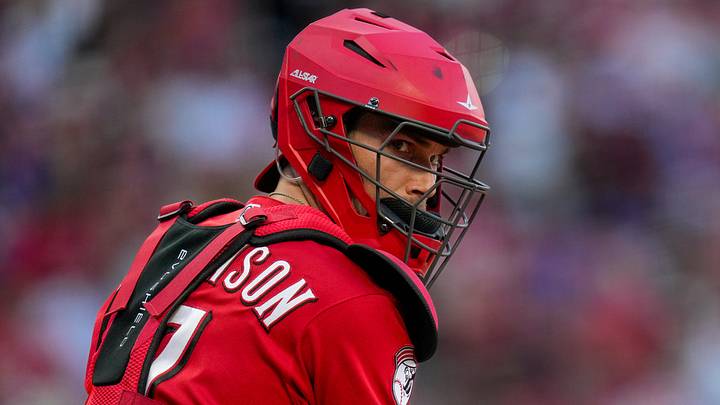
The Cincinnati Reds did something that was both unexpected and made complete sense when they brought Tyler Stephenson back into the fold. We were convinced that Stephenson was a goner based on some of his comments about testing the market, and that sentiment seemed locked in once Ryan Jeffers accepted the qualifying offer, leaving the long-time Red as the unquestioned top-tier free-agent catcher.
This is one of those cases where we're glad to have egg on our face. Stephenson is back, and while the $10 million annual salary sounds about right, it's a little surprising that Cincinnati gave him three years when two seemed like the sweet spot. Even then, the club hedged brilliantly by including an opt-out after year two for the sturdy backstop.
Obviously, getting Stephenson back is a massive win for the 2027 Reds, but it's also a huge boon for the 2028 and possibly the 2029 variants of the team. See, this isn't just about upgrading a real sore spot on the roster. The added value here is the ripple effects the signing causes as it relates to the future, most notably the arrival of top prospect Alfredo Duno.
With Tyler Stephenson back, the Reds have options as to how they want to work top prospect Alfredo Duno into the mix
The 20-year-old Duno is a stud, ranking No. 20 on MLB Pipeline's top 100 list, and, in theory, could've been fast-tracked to the big leagues. At least, to an extent.
The young slugger hit a combined .281/.395/.504 with 19 homers over 97 games split across Dayton and Chattanooga. He showed real growth throughout the year, cutting 10 points of his strikeout rate (26.8% to 16.7%) over his final 32 games at Double-A, and arguably hit better at the higher level, posting a .322/.406/.488 line in Chattanooga compared to his .260/.390/.512 mark in Dayton.
While he wouldn't be ready for Opening Day, there's a world where Duno could return to Chattanooga, get a quick bit of finishing time in Louisville, and be in Cincinnati mid-season next year.
There are a few problems with that plan, though. If the Reds took that aggressive approach, they'd be ensuring Duno would be limited to first base and DH duty. The phenom's bat is well ahead of his glove at this point, and listed generously at 6-foot-2 and 210 pounds, Duno is one of those big-bodied catchers who really needs to hone his technique in order to stick behind the plate defensively.
On top of that, rushing him to the majors and giving him no way to contribute outside of his bat would put enormous pressure on the Venezuelan native to hit early and often. There would be no acclimation period; adjustments would have to come fast and furious, and prolonged slumps would lead to the club admitting defeat.
That all would risk Duno's development greatly. Not having him get adequate work at age-appropriate levels behind the plate would stunt his defensive growth, while rushing him up to struggle at the plate could ruin him psychologically. It would be a poor plan for any team, but especially one like Cincinnati that needs a steady pipeline of talent feeding the major league roster.
Fortunately, with Stephenson's return, we can avoid all of that. Duno is free to develop and marinate down in the minors without being rushed. The catcher spot is in good hands for the foreseeable future.
You might be thinking that Duno will be ready before the three years are up, though, and now he's blocked. That's not really the case, however. For one, if Stephenson plays well in 2027 and 2028, he's back on the market ahead of the 2029 season. That means we're really only talking about a 2028 arrival for Duno, where there will be some juggling.
The good news is that the Reds can move on from Jose Trevino after next season, opening up some playing time. Stephenson and Duno can also share catching and DH duties in 2028, with some reps at first base not being out of the question for either player in a pinch.
On top of that, working with Stephenson, a guy who overcame his own defensive shortcomings to become a quality big league catcher, would benefit the youngster greatly. At the end of the day, there would be enough playing time to go around.
This is a move that's greater than its immediate impact. The Reds are a better team in 2027 with Stephenson behind the dish, but they're also now set up to have a brighter future since they'll no longer have to rush Duno. Hat tip to you, Nick Krall; you got this one right.
 Add us as a preferred source on Google