%20%20--%3E%0A%3Csvg%20version%3D%221.1%22%20xmlns%3D%22http%3A%2F%2Fwww.w3.org%2F2000%2Fsvg%22%20xmlns%3Axlink%3D%22http%3A%2F%2Fwww.w3.org%2F1999%2Fxlink%22%20x%3D%220px%22%20y%3D%220px%22%0A%09%20viewBox%3D%220%200%201294.2%20200%22%20style%3D%22enable-background%3Anew%200%200%201294.2%20200%3B%22%20xml%3Aspace%3D%22preserve%22%3E%0A%3Cstyle%20type%3D%22text%2Fcss%22%3E%0A%09.st0%7Bfill%3A%23CC0934%3B%7D%0A%09.st1%7Bfill%3A%23231F20%3B%7D%0A%09.st2%7Bfill%3A%23FFFFFF%3B%7D%0A%3C%2Fstyle%3E%0A%3Cg%20id%3D%22Template%22%3E%0A%09%3Cg%3E%0A%09%09%3Cpath%20class%3D%22st1%22%20d%3D%22M89.6%2C0H24.8L14.2%2C22.7h9.1L0%2C154.8h62.3c5.3-4.5%2C8.2-7%2C13.5-11.5l8.6-48.5c-3.7-4.5-5.7-7-9.4-11.4h0l0%2C0%0A%09%09%09c5-5.5%2C8.9-9.7%2C14.2-15.4l10-56.5C95.4%2C7%2C93.3%2C4.5%2C89.6%2C0z%20M54.6%2C132.2H27.1l6.5-36.8l28.9-8.4L54.6%2C132.2z%20M66.8%2C63.2l-28.9%2C8.4%0A%09%09%09l8.6-48.9h27.5L66.8%2C63.2z%22%2F%3E%0A%09%09%3Cpolygon%20class%3D%22st1%22%20points%3D%22139.8%2C0%20114.1%2C0%20103.5%2C22.7%20112.6%2C22.7%2089.3%2C154.8%20155.5%2C154.8%20159.4%2C132.2%20116.5%2C132.2%20%09%09%22%2F%3E%0A%09%09%3Cpath%20class%3D%22st1%22%20d%3D%22M260.6%2C0h-64.9l-10.6%2C22.7h9.1L173%2C143.4c3.7%2C4.5%2C5.7%2C7%2C9.4%2C11.5h50.9c5.3-4.5%2C8.2-7%2C13.5-11.5l23.3-131.9%0A%09%09%09C266.4%2C7%2C264.3%2C4.5%2C260.6%2C0z%20M225.6%2C132.2h-27.5l19.3-109.5h27.5L225.6%2C132.2z%22%2F%3E%0A%09%09%3Cpath%20class%3D%22st1%22%20d%3D%22M350.1%2C0h-64.9l-10.6%2C22.7h9.1l-21.3%2C120.7c3.7%2C4.5%2C5.7%2C7%2C9.4%2C11.5h50.9c5.3-4.5%2C8.2-7%2C13.5-11.5l13.6-77.3%0A%09%09%09h-37.7l-4%2C22.7h14.6l-7.7%2C43.4h-27.5L307%2C22.7h27.5l-3.3%2C18.6h23.1l5.3-29.9C355.9%2C7%2C353.8%2C4.5%2C350.1%2C0z%22%2F%3E%0A%09%09%3Cpath%20class%3D%22st2%22%20d%3D%22M400.7%2C0l-10.6%2C22.7h9.1l-23.3%2C132.1h23.2l10.5-59.5l16.8-4.9l0.2%2C64.4h23.1l-0.2-71l1.4-0.4%0A%09%09%09c5-5.5%2C8.9-9.7%2C14.2-15.4l10-56.5c-3.7-4.5-5.7-7-9.4-11.4H400.7z%20M442.7%2C63.2l-28.9%2C8.4l8.6-48.9h27.5L442.7%2C63.2z%22%2F%3E%0A%09%09%3Cpolygon%20class%3D%22st2%22%20points%3D%22479.4%2C22.7%20488.6%2C22.7%20465.2%2C154.8%20531.4%2C154.8%20535.4%2C132.2%20492.4%2C132.2%20500.1%2C88.7%20543%2C88.7%20%0A%09%09%09547%2C66.1%20504%2C66.1%20511.7%2C22.7%20554.7%2C22.7%20558.7%2C0%20490%2C0%20%09%09%22%2F%3E%0A%09%09%3Cpath%20class%3D%22st2%22%20d%3D%22M636.6%2C0h-64.9l-10.6%2C22.7h9.1l-23.3%2C132.1h62.3c5.3-4.5%2C8.2-7%2C13.5-11.5L646%2C11.4C642.3%2C7%2C640.2%2C4.5%2C636.6%2C0%0A%09%09%09z%20M601.5%2C132.2h-27.5l19.3-109.5h27.5L601.5%2C132.2z%22%2F%3E%0A%09%09%3Cpolygon%20class%3D%22st2%22%20points%3D%22717.9%2C100.9%20716.2%2C0%20686.7%2C0%20676.1%2C22.7%20685.2%2C22.7%20661.9%2C154.8%20685.1%2C154.8%20696.7%2C88.9%20700.6%2C154.8%20%0A%09%09%09716.1%2C154.8%20743.3%2C88.7%20731.6%2C154.8%20754.8%2C154.8%20782.1%2C0%20755.1%2C0%20%09%09%22%2F%3E%0A%09%09%3Cpath%20class%3D%22st2%22%20d%3D%22M840.2%2C0h-44.5l-10.6%2C22.7h9.1l0%2C0l-33.1%2C132.2h23.2l12.3-49.2l20.8-6l-5.7%2C55.2H835l14.8-144.2%0A%09%09%09C846.1%2C6.5%2C843.9%2C4.1%2C840.2%2C0z%20M802.8%2C81.4l14.7-58.7h7.9l-5.5%2C53.8L802.8%2C81.4z%22%2F%3E%0A%09%09%3Cpath%20class%3D%22st2%22%20d%3D%22M905.2%2C132.2h-27.5L897%2C22.7h27.5l-3.3%2C18.6h23.1l5.3-29.9c-3.7-4.5-5.7-7-9.4-11.4h-64.8l-10.6%2C22.7h9.1%0A%09%09%09l-21.3%2C120.7c3.7%2C4.5%2C5.7%2C7%2C9.4%2C11.4h50.9c5.3-4.5%2C8.2-7%2C13.5-11.4l5.3-29.9h-23.1L905.2%2C132.2z%22%2F%3E%0A%09%09%3Cpolygon%20class%3D%22st2%22%20points%3D%221006.6%2C63.2%20977.7%2C71.6%20990.3%2C0%20964.6%2C0%20954.1%2C22.7%20963.2%2C22.7%20939.9%2C154.8%20963%2C154.8%20973.5%2C95.3%20%0A%09%09%091002.5%2C86.9%20990.5%2C154.8%201013.6%2C154.8%201040.9%2C0%201017.8%2C0%20%09%09%22%2F%3E%0A%09%09%3Cpolygon%20class%3D%22st2%22%20points%3D%221043.4%2C22.7%201052.5%2C22.7%201029.2%2C154.8%201052.4%2C154.8%201079.7%2C0%201054%2C0%20%09%09%22%2F%3E%0A%09%09%3Cpolygon%20class%3D%22st2%22%20points%3D%221129.3%2C92.8%201122.1%2C0%201092.6%2C0%201082%2C22.7%201091.1%2C22.7%201067.8%2C154.8%201091%2C154.8%201107.3%2C62%20%0A%09%09%091114.6%2C154.8%201141.6%2C154.8%201168.9%2C0%201145.7%2C0%20%09%09%22%2F%3E%0A%09%09%3Cpolygon%20class%3D%22st2%22%20points%3D%221246.6%2C22.7%201250.6%2C0%201181.9%2C0%201171.3%2C22.7%201180.4%2C22.7%201157.1%2C154.8%201223.3%2C154.8%201227.2%2C132.2%20%0A%09%09%091184.3%2C132.2%201191.9%2C88.7%201234.9%2C88.7%201238.9%2C66.1%201195.9%2C66.1%201203.6%2C22.7%20%09%09%22%2F%3E%0A%09%09%3Cpolygon%20class%3D%22st1%22%20points%3D%221272.1%2C9.1%201242.5%2C176.8%203.7%2C176.8%206.1%2C199.8%201238.4%2C200%201250.1%2C200%201263.6%2C188.5%201294.2%2C15.2%20%09%09%22%2F%3E%0A%09%3C%2Fg%3E%0A%3C%2Fg%3E%0A%3Cg%20id%3D%22Layer_2%22%3E%0A%3C%2Fg%3E%0A%3C%2Fsvg%3E%0A)

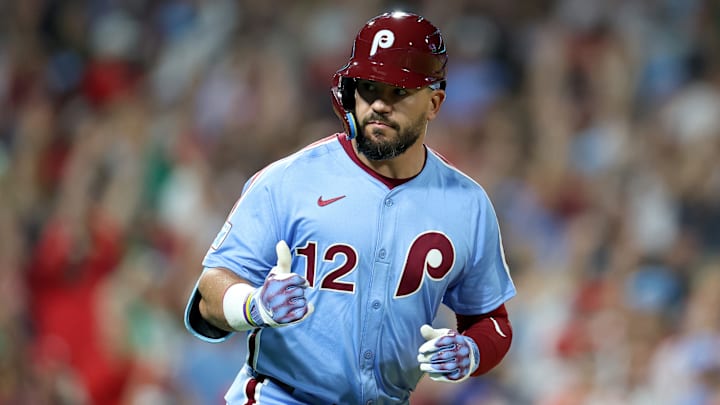
The notion that the Cincinnati Reds can't afford to extend a competitive offer to Kyle Schwarber is utter nonsense. The Reds can make a legitimate offer, but in all likelihood, they won't. Reds President of Baseball Operations Nick Krall has maintained that Cincinnati's 2026 payroll will look eerily similar to the $119 million they spent last season.
As currently constructed, the Reds have approximately $95 million committed to next year's roster. Given Krall's comments about keeping the payroll flat heading into 2026, that leaves Cincinnati with about $20-$25 million to spend this offseason.
Schwarber alone will command a salary north of $30 million per season, and the Reds have numerous holes to fill in the bullpen after the departures of Nick Martinez, Emilio Pagán, Scott Barlow, and Brent Suter. Despite the hurdles these numbers present, the Reds' front office could thread the needle in such a way that they'd be able to sign Schwarber and rebuild the bullpen. Let's explore how that can happen.
Kyle Schwarber to the Reds is difficult, but not impossible
First things first. Let's assume that Schwarber signs a contract with the Reds for fair market value. Most estimates assume that he'll sign a deal worth at least $30 million per year. Yahoo! Sports predicts Schwarber's next deal will be for four years at $128 million while MLB Trade Rumors assumes he'll sign a five-year, $135 million deal. If the Reds opt for the longer-term contract with a lower AAV, Cincinnati would add approximately $27 million to their payroll, bringing their total commitments to $122 million.
With Schwarber in the fold, the Reds now have a power-bat in the middle of the lineup. Assuming Elly De La Cruz continues to shine, Noelvi Marte builds off his success from last season, Matt McLain bounces back from a down-year, and Sal Stewart lives up to the hype, all of the sudden, Cincinnati has the makings of a potent lineup in 2026.
But offense alone is not going to turn the Reds into a contender next season. While adding Schwarber instantly elevates Cincinnati's lineup from mediocre to at least middle-of-the-road, the Reds still need to offset the losses of Martinez, Pagán, Barlow, and Suter. Those four alone covered 370 innings last season.
Let's assume that Tony Santillan, Graham Ashcraft, and Connor Phillips are guaranteed to be part of the bullpen next season. That still leaves five spots unaccounted for, and while Zach Maxwell and Luis Mey flashed potential, they're far from a sure thing. Cincinnati will need to go out and find some quality relievers, albeit on a shoestring budget.
But, after signing Schwarber, Cincinnati is already over their expected payroll number by about $3 million. In order to bolster the bullpen, the Reds need to shed some salary, and that starts with non-tendering utility player Gavin Lux.
The Reds traded for Lux last offseason, but he was little more than a replacement level player. It's estimated that the former first-round pick will make about $5 million through arbitration next season, and with Schwarber now on the roster, Lux's opportunities to act as the team's DH will all but evaporate. Shedding Lux ahead of the non-tender deadline gives Cincinnati a little bit of salary relief.
The Reds need to trade Brady Singer & Tyler Stephenson in order to sign Kyle Schwarber
But in order to rebuild the bullpen, the Reds will need to free up even more money. Brady Singer is heading into the final year of arbitration and is expected to take home about $12 million next season. While Singer was a solid addition last winter, the Reds have Chase Burns waiting in the wings, and both Brandon Williamson and Julian Aguiar returning from injury.
Starting pitching will be a hot commodity this offseason, and Singer has proven to be a durable starter throughout his career. In a perfect world, the Reds could trade Singer in exchange for a reliever or two, but at the very least, shedding his $12 million salary would allow Cincinnati to reinvest that money into the bullpen by signing a free agent or two.
Now, if the Reds really wanted to make a splash, they could do one more thing in order to fortify their bullpen. While most fans would hate this idea, trading Tyler Stephenson has to be on the table in this scenario. The Reds' backstop is expected to make north of $6 million in 2026 and will be a free agent after the season.
Cincinnati has Jose Trevino under contract through 2028 and just picked up Ben Rortvedt from the Los Angeles Dodgers. Neither is a proficient hitter, but both are above-average defensively. This would be quite the gamble, but given Stephenson's injury history and lack of production last season, projecting him to be a middle-of-the-order bat in 2026 is very risky.
To summarize, if the Reds signed Schwarber to a contract worth approximately $27 million per season, non-tendered Lux, and then traded both Singer and Stephenson, Cincinnati would still have about $15 million to spend in order to shore up the bullpen. Keep in mind, that doesn't even include the players/ prospects the Reds would receive in exchange for Singer and Stephenson, some of which could be contributors next season.
The Reds starting lineup would then consist of Schwarber, De La Cruz, Marte, McLain, Stewart, Trevino, Spencer Steer, Ke'Bryan Hayes, and TJ Friedl. Cincinnati's starting rotation would include Burns Hunter Greene, Nick Lodolo, Andrew Abbott, and Rhett Lowder. Add in the likes of Williamson, Aguiar, Chase Petty, and Jose Franco, and all of the sudden the rotation looks rather deep.
Executing this plan requires a lot of confidence and intestinal fortitude, two things the Reds front office has lacked for years. But if Cincinnati truly wants to compete for a championship, they can't just run it back with the same players who were on the team last season. This is bold offseason strategy, but it's the only thing that's going to take the Reds from an 83-win team in 2025 to NL Central favorites in 2026.
 Add us as a preferred source on Google